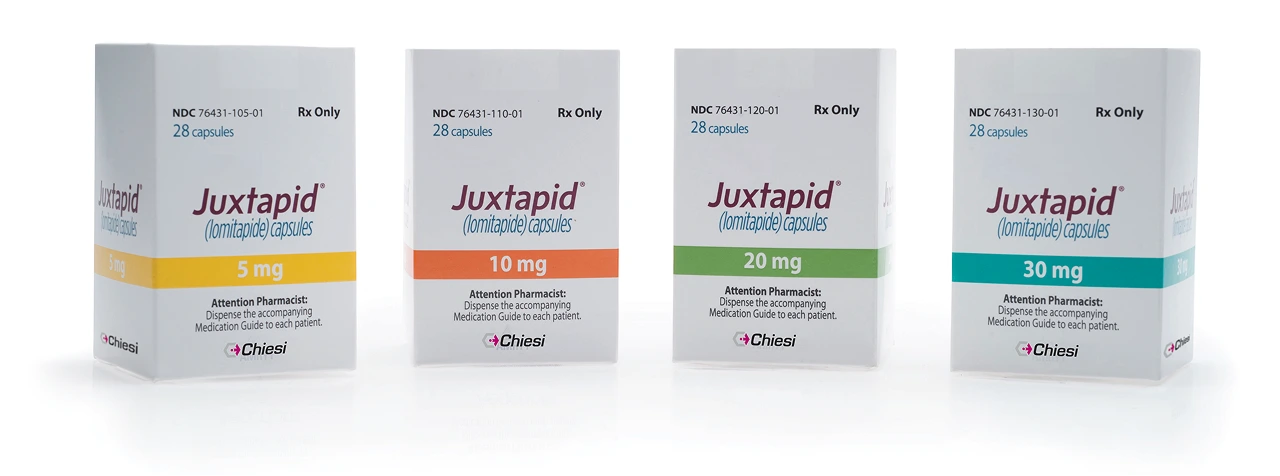
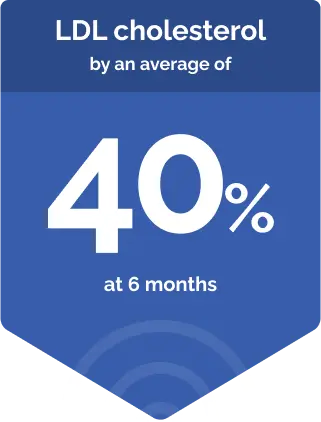
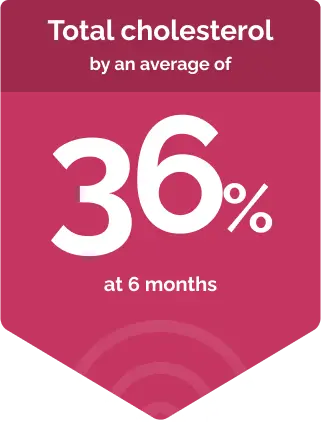
JUXTAPID (lomitapide) is a prescription medicine used along with a low-fat diet, exercise and other low-density lipoprotein (LDL) lowering medicines to reduce LDL-C in adults and children 2 years of age and older with a type of high cholesterol called homozygous familial hypercholesterolemia (HoFH).
It is not known if JUXTAPID is safe and effective in people with kidney problems including people with end-stage kidney disease who are not on dialysis.
It is not known if JUXTAPID is safe and effective when used in children under the age of 2.
IMPORTANT SAFETY INFORMATION
What is the most important information I should know about JUXTAPID?
- JUXTAPID is available only through certified pharmacies that are enrolled in the JUXTAPID REMS Program. Your healthcare provider must be enrolled in the program in order for you to be prescribed JUXTAPID.
- There is a registry that collects information about the effects of taking JUXTAPID over time. Ask your healthcare provider for more information about this registry or visit www.JUXTAPID.com or call 1-877-902-4099.
JUXTAPID may cause serious side effects, including:
Liver Problems:
- JUXTAPID can cause liver problems such as increased liver enzymes or increased fat in the liver. For this reason, your healthcare provider should do blood tests to check your liver before you start JUXTAPID, if your dose is increased, and while you take JUXTAPID. If your tests show signs of liver problems, your doctor may lower your dose of JUXTAPID or stop it altogether.
- You should tell your doctor if you have had liver problems in the past, including liver problems while taking other medicines.
- JUXTAPID may cause nausea, vomiting and stomach pain, especially if you do not eat a low-fat diet. These side effects can also be symptoms of liver problems. Tell your healthcare provider right away if you have nausea; vomiting or stomach pain that gets worse, does not go away, or changes; fever; flu-like symptoms; yellowing of your eyes or skin; or are feeling more tired than usual while taking JUXTAPID.
- Do not drink more than 1 alcoholic drink per day while taking JUXTAPID.
Harm to your unborn baby:
- Do not take JUXTAPID if you are pregnant, think you may be pregnant, or are planning to become pregnant.
- If you are a female who can get pregnant, you should have a negative pregnancy test result before you start on JUXTAPID. Use effective birth control while taking JUXTAPID and for 2 weeks after your last dose of JUXTAPID. If you become pregnant while taking JUXTAPID, stop taking JUXTAPID and call your healthcare provider right away.
Do not take JUXTAPID if you:
- Are taking medicines that are strong or moderate CYP34A inhibitors (for example, certain medicines used to treat bacterial, fungal, or viral infections, and medicines used to treat depression, high blood pressure or chest pain). These medicines may affect how your body breaks down JUXTAPID.
- Drink grapefruit juice.
- Have moderate to severe liver problems or active liver disease, including abnormal liver function tests.
Before you take JUXTAPID, tell your healthcare provider about all of your medical conditions, including if you have liver problems; have kidney problems; have intestine or bowel problems; drink alcohol; are breastfeeding or plan to breastfeed. It is not known if JUXTAPID passes into your breastmilk. You and your healthcare provider should decide if you will take JUXTAPID or breastfeed. You should not do both.
Tell your healthcare provider about all the medicines you take, including prescription and over-the-counter medicines, vitamins, and herbal supplements. JUXTAPID may affect the way other medicines work, and other medicines may affect how JUXTAPID works.
Other possible side effects of JUXTAPID include:
- Problems absorbing certain nutrients. JUXTAPID makes it harder for some fat-soluble nutrients, such as vitamin E and fatty acids, to get into your body. Take supplements that contain fat-soluble vitamins each day while you take JUXTAPID.
- Gastrointestinal symptoms. Diarrhea, nausea, vomiting, and stomach pain or discomfort are very common when taking JUXTAPID. Strictly following a low-fat diet may help lower the chance of having these symptoms. Stop taking JUXTAPID and tell your healthcare provider if you have severe diarrhea, especially if you also have lightheadedness, decreased urine output, or tiredness.
- Muscle pain, tenderness and weakness (myopathy). This can happen when JUXTAPID is taken with certain doses of simvastatin and lovastatin. Tell your doctor right away if you have unexplained muscle pain, tenderness, or weakness, especially if you have a fever or feel more tired than usual while taking JUXTAPID.
- Increased levels of certain blood thinners. JUXTAPID can increase the level of the blood thinner, warfarin. If you take warfarin, your healthcare provider should check your blood clotting times frequently, especially after your dose of JUXTAPID changes.
- Liver problems caused by certain drugs. Certain medicines can cause liver problems, including isotretinoin, acetaminophen, methotrexate, tetracyclines, and tamoxifen. If you take these medicines with JUXTAPID your healthcare provider may do blood tests more often to check your liver.
- The most common side effects of JUXTAPID in adults and children 5 years of age and older include: diarrhea, nausea, stomach (abdominal) pain, indigestion, vomiting, and increases in liver enzymes.
Tell your healthcare provider if you have any side effect that bothers you or that does not go away. These are not all the possible side effects of JUXTAPID. For more information, ask your healthcare provider or pharmacist. Call your doctor for medical advice about side effects.
You are encouraged to report negative side effects of prescription drugs to the FDA. Visit www.FDA.gov/medwatch or call 1-800-FDA-1088.
For additional information, please see the Medication Guide and Full Prescribing Information, including BOXED WARNING.